
Pill Predicament: Uncovering Medication Theft in Nursing Homes and Hospice Care
Introduction
The theft of medications in nursing homes and hospice care facilities has become an increasingly alarming issue in recent years. This problem not only jeopardizes the well-being of vulnerable patients who rely on these medications for their health, but also highlights the need for stricter regulations and improved security measures in these facilities. This article examines statistics surrounding medication theft, explores underlying causes, discusses potential solutions, and emphasizes the importance of drug testing patients to ensure proper care.
The Statistics on Medication Theft in Nursing Homes and Hospice Care
Prevalence of Medication Theft
Although exact prevalence is difficult to determine due to underreporting, studies suggest the problem is widespread. Nearly 10% of nursing homes have reported incidents of medication theft. A survey by the Hospice and Palliative Nurses Association found that approximately 20% of hospice nurses have witnessed medication diversion in their workplace.
Types of Medications Stolen
Medication theft primarily involves controlled substances, particularly opioids prescribed for pain management. These medications are highly sought after due to their abuse potential and street value. Other commonly stolen medications include benzodiazepines for anxiety and insomnia, and stimulants prescribed for ADHD.
Impact on Patients
Medication theft has severe consequences for patients relying on these drugs. Patients may experience increased pain and discomfort, symptom worsening, and declining quality of life due to lack of access to prescribed medications. Additionally, theft may result in treatment delays as replacements must be obtained and administered.
Reasons Behind Medication Theft in Nursing Homes and Hospice Care
Staff Access to Medications
One primary reason for medication theft is staff access. Nurses and healthcare professionals responsible for administering medications have opportunities to steal or divert these drugs for personal use or resale.
Addiction and Substance Abuse Among Healthcare Professionals
Addiction and substance abuse are significant issues among healthcare professionals in these settings. Job stress combined with easy access to controlled substances can lead individuals to develop addictions or engage in substance abuse, potentially resulting in medication theft.
Inadequate Security Measures and Oversight
Many facilities lack adequate security measures and oversight. Insufficient storage and monitoring systems for controlled substances, along with inadequate background checks and drug screening for employees, create environments where theft is more likely.
Potential Solutions to Combat Medication Theft
Implementing Strict Security Measures
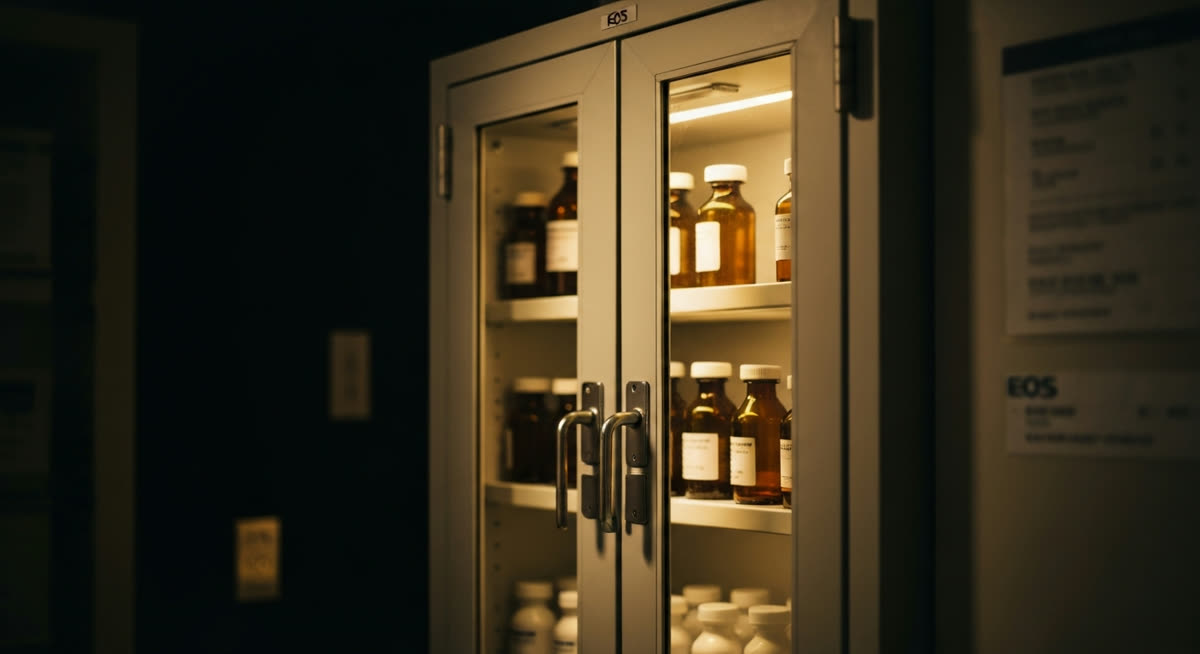
Nursing homes and hospice facilities should implement strict security measures including locked storage cabinets, electronic medication tracking systems, and regular medication inventory audits. Facilities should consider employing security cameras in medication storage areas to deter theft and identify perpetrators.
Conducting Thorough Background Checks and Drug Screening
Facilities should conduct comprehensive background checks and drug screening for all potential employees. Weeding out individuals with histories of substance abuse or criminal activity related to medication theft creates safer environments for patients and staff.
The Importance of Drug Testing Patients
Ensuring Proper Care and Medication Management
Drug testing patients is essential for comprehensive care in nursing homes and hospice facilities. Regular testing for prescribed medications and other substances ensures patients receive appropriate medications and dosages to manage symptoms and maintain comfort, preventing medication errors and adverse interactions.
Detecting Medication Diversion
Drug testing helps identify medication diversion instances where medications intended for patients are stolen or misused. Monitoring controlled substance levels in patients' systems allows providers to detect when medications aren't being administered as prescribed and address issues.
Improving Patient Safety and Well-being
Drug testing ultimately ensures patient safety and well-being. Identifying and addressing medication theft and diversion issues creates safer environments and helps ensure patients receive appropriate care and medications needed for comfort and quality of life.
Conclusion
Medication theft in nursing homes and hospice care facilities is a concerning issue with far-reaching consequences. By implementing stricter security measures, conducting thorough background checks and drug screening for employees, and regularly drug testing patients, facilities can address this problem and ensure patient safety and well-being.
Talk to a licensed physician. A drug test result is information, not a diagnosis or medical advice. Review your results, any medications you take and any symptoms with a licensed physician, and call 911 or go to an emergency department if someone is in danger. See our medical disclaimer.